
The memecoin phenomenon demonstrates a fundamental truth about free markets: speculative bubbles inflate rapidly, but they always deflate when underlying value is absent. What started as an internet joke became a $150.6 billion market in late 2024, only to collapse by nearly 70% within a year—a powerful lesson in market discipline and the dangers of herd mentality.
According to CoinGecko's State of Memecoins Report 2025, these pop culture tokens peaked in December 2024 before slumping to just over $47 billion in total market capitalization by November 2025. The crash wasn't just about prices—daily trading volumes plummeted from nearly $87 billion to under $5 billion, and website pageviews dropped more than 80%. The market spoke clearly: without real utility or value, even the most hyped assets eventually return to earth.
The Anatomy of a Speculative Bubble
Memecoins are cryptocurrencies inspired by jokes, social media trends, and pop culture. Unlike legitimate blockchain projects that solve real problems, memecoins offer no intrinsic utility or technological innovation. They exist purely as speculative vehicles driven by social media hype, celebrity tweets, and the greater fool theory—the hope that someone else will pay more for a worthless asset.
The 2024 rally was fueled by several factors: easy liquidity from central bank money printing, viral token launch platforms like Pump.fun on Solana that made creating new tokens effortless, and politically-charged narratives surrounding the U.S. election cycle. AI-themed and politics-linked memecoins captured attention toward year's end, culminating in high-profile launches like President Trump's TRUMP token in early 2025.
The result was predictable excess. Over 13 million new memecoin tokens were created in 2025 alone, flooding the market with worthless digital assets competing for speculative dollars. Most had no business plan, no technology, no team, and no purpose beyond separating retail investors from their money.
Concentration and Collapse
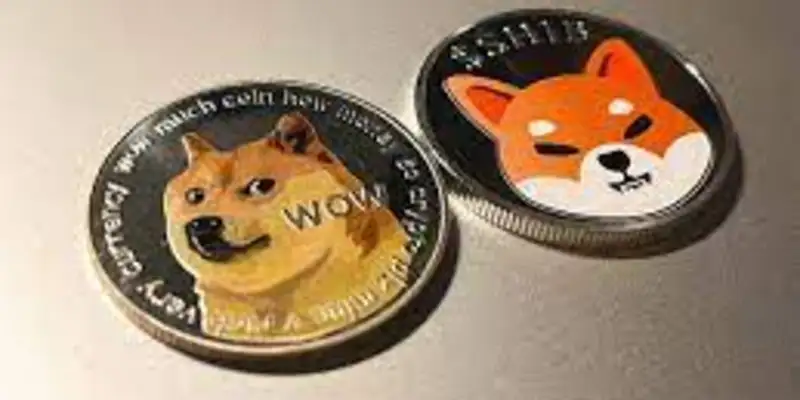
Even at the sector's reduced size, concentration remains extreme. Dogecoin accounts for approximately $20 billion of total market capitalization—roughly half the entire sector. When you add Shiba Inu, TRUMP, and PEPE, just five tokens control more than 50% of all memecoin value. This concentration exposes how shallow the market really is: beyond a handful of legacy tokens with name recognition, thousands of copycat projects compete for scraps.
The collapse followed a predictable pattern. Political tokens like TRUMP and LIBRA—launched amid the euphoria of the 2024 election cycle—surged spectacularly before crashing even harder. These tokens demonstrated the classic pump-and-dump scheme: hype drives prices up, early insiders cash out, and late arrivals lose everything. When President-elect Trump's TRUMP token launched on January 17, 2025, its market value hit $14.5 billion within 48 hours before crashing by two-thirds. Entities behind the coin reportedly made nearly $100 million in trading fees while hundreds of thousands of retail investors suffered massive losses.
Similar scandals plagued the sector. Internet personality Hailey Welch's HAWK token reached a half-billion-dollar market cap before collapsing within a day, triggering fraud accusations. Argentine President Javier Milei's inadvertent promotion of LIBRA caused another surge-and-crash cycle, leaving him facing market manipulation allegations.
The Geography of Speculation
Geographically, the United States led memecoin speculation, accounting for roughly 30% of related traffic by November 2025—up from 20% earlier in the year. Among developed markets, only the U.S., Germany, and the Netherlands appeared in the top ten countries tracking memecoins. Seven of the top ten came from developing economies, representing nearly 38% of global interest. This pattern reveals how memecoins resonate strongest where retail participation flourishes and financial literacy may be lower—exactly the conditions that make populations vulnerable to speculative manias.
Launchpad Tokens: Factory-Made Failures
Token launchpads like Pump.fun briefly revolutionized memecoin creation by allowing anyone to mint new tokens with minimal technical knowledge. At their peak in January 2025, launchpad-created memecoins represented over 20% of total market capitalization. But the ease of creation proved to be their downfall. Most launchpad tokens failed to build durable liquidity or community support, and "independent" memecoins still dominate over 86% of the sector today.
The launchpad phenomenon illustrates a key market principle: lowering barriers to entry floods markets with low-quality products. When anyone can create a token in minutes, thousands will—and most will fail. The market's verdict was swift and brutal.
What the Crash Teaches About Free Markets
The memecoin collapse offers several important lessons for investors and observers of free markets:
1. Markets Eventually Price in Reality: Hype and speculation can drive prices temporarily, but markets eventually return to fundamentals. Without underlying value, utility, or cash flows, assets inevitably decline toward their intrinsic worth—which for most memecoins is zero.
2. Caveat Emptor: Buyer beware. Free markets place responsibility on individuals to research investments and understand risks. Memecoins attracted speculators hoping for quick riches while ignoring obvious warning signs: no business model, anonymous developers, and prices driven purely by social media trends.
3. Concentration Signals Fragility: When half of a market's value sits in just five tokens, the sector is fragile and susceptible to cascading failures. Diversification matters, but more importantly, concentration in a speculative sector suggests most participants are chasing the same few assets while thousands of others are essentially worthless.
4. Celebrity Endorsements Don't Equal Value: When Elon Musk tweets about Dogecoin or President Trump launches his own token, prices surge—temporarily. But celebrity involvement doesn't create underlying value, and retail investors chasing these pumps often end up holding the bag when insiders exit.
5. Regulatory Arbitrage Has Consequences: Ironically, memecoins thrived partly because securities regulators focused on legitimate cryptocurrency projects, creating a regulatory void where pump-and-dump schemes flourished. The absence of regulation didn't create freedom—it created a predatory environment where insiders exploited retail investors.
The Path Forward
Some observers remain optimistic that memecoins will return in a different form. MoonPay president Keith Grossman predicts future versions will reward sustained contribution and cultural engagement rather than speed and spectacle. Perhaps. But the more likely outcome is that memecoins will remain exactly what they've always been: speculative vehicles that periodically attract attention during periods of easy money and excessive liquidity, only to collapse when reality reasserts itself.
For investors, the memecoin crash reinforces timeless wisdom: understand what you're buying, never invest more than you can afford to lose, beware of assets with no intrinsic value, and remember that free markets punish foolishness. The invisible hand doesn't just reward innovation and value creation—it also disciplines speculation and punishes the reckless.
Bitcoin continues trading near all-time highs around $100,000 despite the memecoin collapse, demonstrating the difference between speculative assets and legitimate cryptocurrencies with adoption, infrastructure, and real-world use cases. The gap between Bitcoin and memecoins has never been wider—exactly as it should be in a functioning market.
The memecoin boom and bust is a case study in market discipline. Free markets allow innovation and speculation, but they also punish excessive risk-taking and reward those who focus on fundamentals. Memecoins offered neither innovation nor fundamentals—just hype, celebrity endorsements, and the hope that someone else would be left holding the bag. The market delivered its verdict: from $150 billion to under $50 billion in twelve months. That's not market failure—that's the free market working exactly as it should