
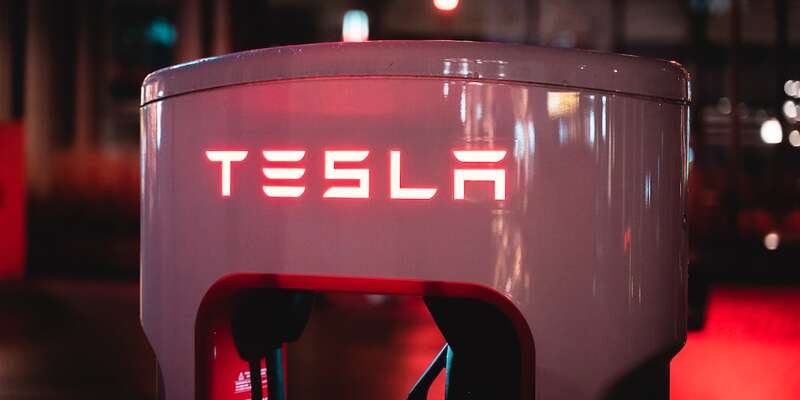
Over half of all new cars sold in the U.S. by 2030 are expected to be electric vehicles. That could put a major strain on our nation’s electric grid, an aging system built for a world that runs on fossil fuels.
Domestic electricity demand in 2022 is expected to increase up to 18% by 2030 and 38% by 2035, according to an analysis by the Rapid Energy Policy Evaluation and Analysis Toolkit, or REPEAT, an energy policy project out of Princeton University. That’s a big change over the roughly 5% increase we saw in the past decade.
“So we’ve got a lot of power demand coming to this country when we really didn’t have any for the last, like, 25 years,” said Rob Gramlich, founder and president of Grid Strategies, a transmission policy group.
While many parts of the economy are moving away from fossil fuels toward electrification — think household appliances such as stoves, and space heating for homes and offices — the transportation sector is driving the increase. Light-duty vehicles, a segment that excludes large trucks and aviation, are projected to use up to 3,360% more electricity by 2035 than they do today, according to Princeton’s data.
But electrification is only an effective decarbonization solution if it’s paired with a major buildout of renewable energy. “So we have both supply-side and demand-side drivers of big grid needs,” Gramlich said.
That means we need major changes to the grid: more high-voltage transmission lines to transport electricity from rural wind and solar power plants to demand centers; smaller distribution lines and transformers for last-mile electricity delivery; and hardware such as inverters that allow customers with home batteries, EVs and solar panels to feed excess energy back into the grid.
DAPnet take
Another case of how the US’s infrastructure is going to hold back economic growth. Maybe the government should let Elon Musk run the grid…
I bet if Musk were in charge we would not see chaos at the airports…on that note…